
A smile has always been one of the most powerful features of human expression, and people constantly look for ways to make it stand out. From teeth whitening to veneers and braces, cosmetic dentistry has become a booming industry. But recently, one trend has been gaining attention worldwide: tooth gems, also known as dental jewelry.
These tiny crystals, diamonds, or metallic designs are applied to the surface of teeth, adding a subtle sparkle or bold statement. Non-invasive, customizable, and fashionable, tooth gems offer a unique way to enhance your smile without permanent alteration.
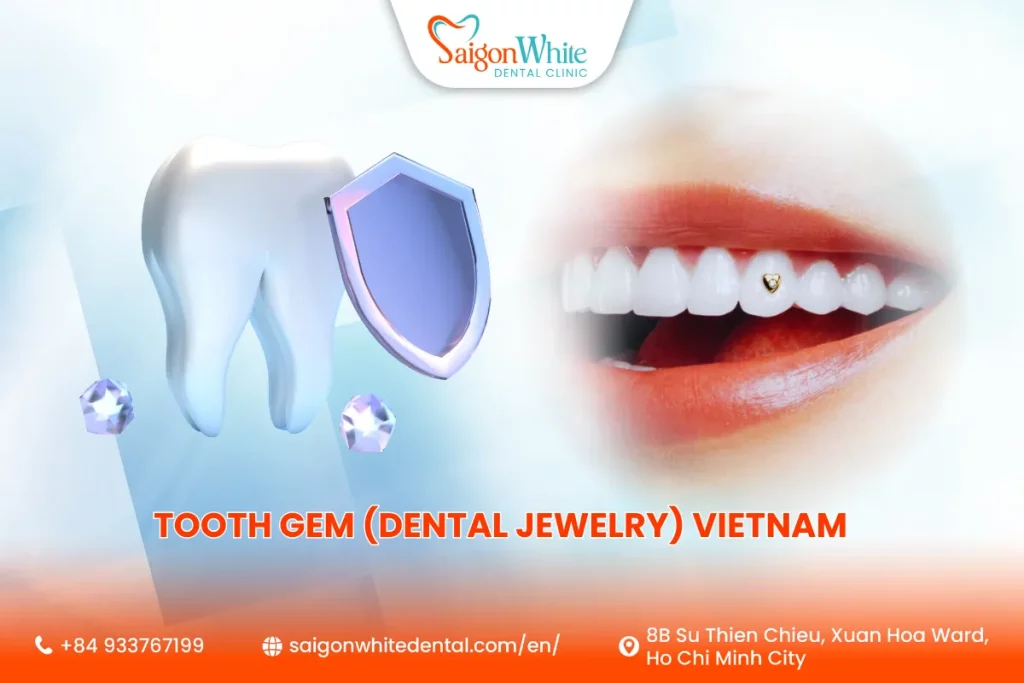
In this article, we will explore everything you need to know about tooth gems—what they are, how they’re applied, their benefits, risks, cost, and aftercare tips—so you can decide if this sparkling dental accessory is right for you.
What Are Tooth Gems?
Tooth gems are small pieces of jewelry placed onto the tooth’s surface for decorative purposes. Unlike crowns or veneers, they do not require drilling or reshaping of the enamel. Instead, they are attached with a dental adhesive similar to what orthodontists use for braces.
Types of tooth gems include:
- Swarovski crystals: Popular for their sparkle and affordability.
- Gold or silver studs: A classy metallic touch.
- Diamonds or gemstones: A luxury option for a more extravagant look.
- Shaped designs: Hearts, stars, or initials for personalization.
Tooth gems can be temporary (lasting a few weeks to months) or semi-permanent (lasting up to 1–2 years, depending on care). They are safe, removable, and customizable to match your personal style.
History and Popularity of Dental Jewelry
Although tooth gems may seem like a modern invention, they actually have cultural and historical roots. Ancient civilizations like the Mayans decorated teeth with jade and turquoise. Fast forward to the 20th century, hip-hop culture in the 1980s and 1990s made “grills” and tooth bling a symbol of wealth and individuality.
Today, celebrities such as Katy Perry, Hailey Bieber, and Lil Wayne have made dental jewelry trendy again. On TikTok and Instagram, influencers show off their sparkling smiles, fueling demand among young adults. In places like the U.S., Europe, Japan, and Vietnam, tooth gems are now seen as a mainstream form of fashion rather than a subcultural statement.
How Are Tooth Gems Applied?
The application process is simple, painless, and quick. Here’s how it works when performed by a dental professional:
- Cleaning: The tooth surface is polished to remove any plaque or debris.
- Isolation: The tooth is dried and isolated to prevent moisture.
- Etching: A gentle acidic solution roughens the enamel surface for better adhesion.
- Adhesive application: A bonding agent is applied.
- Placement: The gem is positioned on the tooth with precision.
- Curing: A special UV light hardens the adhesive, securing the gem.
The entire procedure usually takes 10–20 minutes, is completely painless, and does not require anesthesia or drilling.
Safety and Risks of Tooth Gems
One of the biggest questions people ask is: Are tooth gems safe? The answer is yes—when applied by a professional. Since the enamel is not drilled or permanently altered, tooth gems are considered safe cosmetic accessories.
However, there are potential risks if not done properly:
- DIY kits bought online may use unsafe adhesives that can damage enamel.
- Poor hygiene around the gum can lead to plaque buildup and tooth decay.
- Improper removal can scratch or chip the enamel.
That’s why dental experts strongly recommend professional application and removal.
Benefits of Dental Jewelry
Tooth gems offer a variety of benefits beyond aesthetics:
- Fashion statement: They give your smile a sparkling, eye-catching look.
- Non-invasive: No drilling or permanent changes to your teeth.
- Temporary and reversible: Can be removed at any time without harm.
- Affordable: Much cheaper than veneers, crowns, or implants.
- Boosts confidence: Many people feel more stylish and outgoing with a gem-adorned smile.
Potential Drawbacks and Risks
Like any cosmetic enhancement, tooth gems come with some downsides:
- Oral irritation: They may cause slight discomfort to the lips or tongue in the first few days.
- Plaque accumulation: Food particles may stick around the gem, requiring extra hygiene.
- Short lifespan: They are not permanent and may fall off unexpectedly.
- Limited suitability: Not ideal for people with weak enamel, cavities, or gum disease.
These risks can be minimized with proper care and professional placement.
How Long Do Tooth Gems Last?
The durability of a tooth gem depends on several factors:
- Average lifespan: 6 months to 2 years.
- Habits: Nail biting, chewing ice, or eating hard foods can shorten longevity.
- Oral hygiene: Consistent brushing and flossing help them last longer.
- Material: Diamonds and gold last longer than crystals.
If you want to remove the gem earlier, a dentist can easily do so without harming your enamel.
Maintenance and Aftercare for Tooth Gems
Caring for a tooth gem is simple but essential:
- Brush and floss daily: Use a soft-bristle toothbrush to clean around the gem.
- Avoid sticky or hard foods: Chewing gum, caramel, or hard candies can loosen the gem.
- No picking or pulling: Don’t attempt to remove the gem yourself.
- Regular dental check-ups: Ensure the gem is not affecting your enamel or gums.
Following these steps ensures your dental jewelry remains sparkling and safe.
Cost of Tooth Gems
The cost of tooth gems varies depending on the material and location:
- Swarovski crystals: $50–$100
- Gold or silver studs: $100–$250
- Diamonds or gemstones: $200–$600+
In countries like Vietnam, the cost may be significantly lower compared to the U.S. or Europe, making it a popular option for tourists seeking affordable dental aesthetics.
Popular Styles and Designs
The fun of tooth gems lies in customization. Some popular options include:
- Single gem placement: Classic, subtle sparkle.
- Multiple gems: Patterns across several teeth.
- Shapes: Hearts, stars, butterflies, or initials.
- Custom designs: Unique artwork or gold inlays.
This flexibility allows people to match their gem to their personality and style.
Who Should Avoid Tooth Gems?
While safe for most, not everyone is a candidate for tooth gems. You should avoid them if you:
- Have untreated cavities or gum disease.
- Have weak or sensitive enamel.
- Are under 16 (teeth may not be fully developed).
- Struggle with maintaining oral hygiene.
Consulting with a dentist ensures your teeth are healthy enough for dental jewelry.
Alternatives to Tooth Gems
If you want a sparkling smile but aren’t ready for a tooth gem, consider these alternatives:
- Tooth-colored bonding: Adds a glossy shine.
- Porcelain veneers: Long-lasting cosmetic option.
- Teeth whitening: Enhances natural brightness.
- Temporary glitter stickers: Non-permanent sparkle for special occasions.
FAQs About Tooth Gems
1. Do tooth gems hurt?
No. The process is painless and does not require drilling.
2. Can they damage enamel?
Not when applied and removed by a dentist.
3. Can I brush and floss normally?
Yes, but be gentle around the gem.
4. How long do they last?
Anywhere from 6 months to 2 years, depending on care.
5. Can they fall off?
Yes, but they can easily be reapplied.
2. Are tooth gems permanent?
No, they are temporary and can be removed without damaging the tooth.
3. Can I eat and drink normally?
Yes, but avoid sticky or hard foods to prevent loosening.
4. Will tooth gems damage enamel?
Not if applied and removed professionally. DIY kits, however, can cause harm.
5. How long do tooth gems last?
Between 6 months and 2 years, depending on material, placement, and care.
 Messenger FB
 WhatsApp
 Book now